Posts

Diagnosis and management of rotator cuff tear.
Image
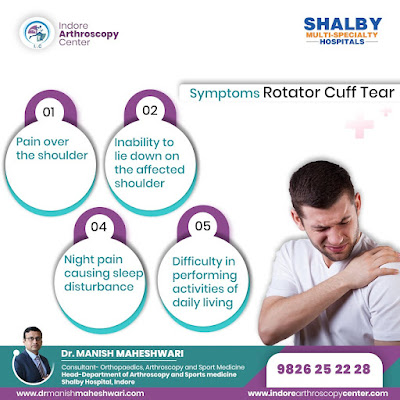
Before diagnosting the rotator cuff tear medical history and physical examination of the patient is done, depending up on the severity there can be many other provisional diagnosis which can be made. After discussing the symptoms and the level of injury physical examination of the shoulder is done. The doctor will check whether there is tenderness in any area or whether there is any deformity. The injured arm will be moved in several different directions to measure the range of motion and muscle strength. Also arm strength will be tested. Past history of any prior shoulder problems will be taken. Examination of neck muscles will also be done as to rule out the exact sight of pain and tenderness. Confirmation Tests:- Along with the above examinations there are some other tests that are done to confirm the condition:-  X-ray:- the very first imaging test that will be done is Xray. As the x-ray does not show the soft tissue of the shoulder like that rotator cuff, generally the plain...
ACL (accurate ligament tear)

Image
A tear in the A.C.L. occurs when this crucial ligament in the middle of your knee is torn. Both complete and partial tears are possible (the ligament is torn into two pieces). Painful discomfort is associated with A.C.L. tears. There could be a "pop" as your knee "gives out" (collapses or buckles). Your knee will likely start swelling very immediately after being injured. The medical community uses the term "ligament" to describe the strong bands of tissue used to join bones or support organs. Towards the front of the body is what we mean when we say "anterior." The anterior cruciate ligament (A.C.L.) and the posterior cruciate ligament (P.C.L.) in the knee make a cross shape, hence the name "cruciate ligaments." Explain the different kinds of ACL rips. Your doctor may give you a score between one and three when assessing the severity of your ligament injury:-  Grade 1- Even though your ligament has been stretched, it can still help k...

STRESS FRACTURE

Image
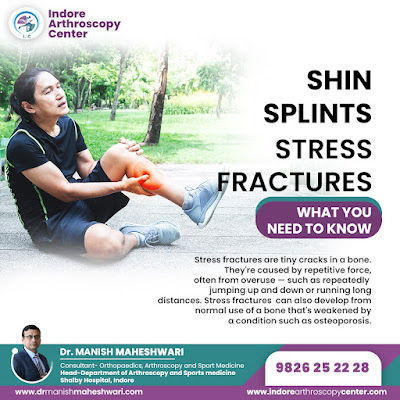
Stress fractures are tiny breaks in the bone, usually caused by repetitive force/overuse of bone. A stress fracture can also develop from normal use of bone or in patients with osteoarthritis. The symptoms of a stress fracture include pain, swelling and aching at the site of the fracture. When we touch the bone, patient will feel pinpoint pain. This pain usually starts after starting any activities and usually resolves with the rest. Normally patients with stress fractures are concerned about walking, usually doctors do not recommend walking when you have a stress fracture because it can reopen the healed fracture and increase the recovery time . You can walk accordingly by monitoring recovery. In most cases, stress fractures get healed within 6 to 8 weeks. More serious stress fracture takes a longer time to get heal, may be due to lack of blood supply. A stress fracture can happen in any region there is overuse. Usually, they are most commonly found in the lower extremity as a result...

Few Dos and Don’t of Ankle Arthroscopy

Image
Ankle arthroscopy is surgery that uses tiny cameras and surgical tools to examine and repair the tissue inside and outside the ankle. This camera is called an arthroscope and the procedure allows the doctor to detect the problem and make repairs with the help of small incisions.The doctor places the arthroscope and other surgical tools inside the ankle to diagnose and repair the damaged composition in the ankle joint. This means you may have less pain and easy recovery as compared to open surgery that’s the reason this surgery is recommended most of the time. Ankle arthroscopy has a 96% success rate as compared to open surgery of the ankle joint. You will receive general anesthesia before surgery to make you fall asleep and this will make you unable to feel the pain. For making ankle arthroscopy more smooth and easy recovery you have to keep do’s and don't in your mind like just after surgery you have to keep monitoring your ankle keep on ensuring your bones have healed correctly...

Knee Fracture Arthroscopy

Image
Knee arthroscopy is a procedure, need a tiny camera to see inside your knee. For this procedure, small cuts are made to insert a camera and small surgical tools inside the knee. It’s a minor surgery and is done on an outpatient basis, which means you can go home on the same day you had surgery. Your doctor may recommend this surgery if you have inflammation in a joint or we can say if your pain got worsen and no non-surgical treatments works then arthroscopy is the best option or if you have injured joint or your joint get damage over time. This surgery works with such patients. In this procedure, knee arthroscopy is used to diagnose and treat knee problems. Your doctor makes a small incision and inserts a long thin tool with a camera on the end. This camera shows images of your knee joint from inside which helps in diagnosing your painful condition or injury. Now the most common question that arises in one’s mind is Do Knee Arthroscopy procedure is painful? So let me tell you this pr...

What Should I Do if I Have a Broken Bone?

Image
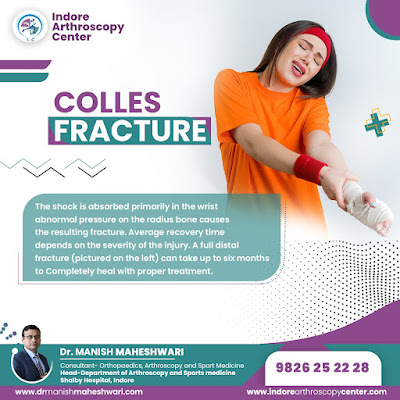
Broken bone is a very common condition people face in their day to day life either they got broken bone by some accident or even broken bone can happen by hitting from some object. The three most common signs of broken bone are pain (at site of broken bone) swelling (around the site of broken bone) and deformity. However in some cases it is difficult to tell whether the bone is broken or not there are some common signs of broken bone like if you have broken bone you will hear a cramp noise of bone being broken, another sign is broken bone always followed by swelling, bruising and tenderness nature or you may feel pain in putting weight at the injury site or pain while touching or pressing it. You may also feel faint, dizzy while having a broken bone is a result of shock of breaking bone. If the break is small these symptoms will be less and pain will be less so it’s difficult to identify and diagnose breaking bone but long term pain at a particular site while movement or weight bearin...

All about shoulder Fracture Arthroscopy

Image
Shoulder Arthroscopy is a procedure through which an arthroscope is inserted from a small incision to diagnose and treat shoulder conditions. This type of arthroscopy performs to examine or repair the tissue inside or around your shoulder joint. Shoulder arthroscopy is a minimally invasive surgery to treat shoulder problems, including shoulder impingement and rotator cuff tears. The procedure of shoulder arthroscopy usually takes 1 hour to complete. "Shoulder arthroscopy" literally means "To look after shoulder joint". This procedure includes insertion of a small camera within the shoulder joint, then this camera monitors picture of the shoulder joint in a video player through which the surgeon monitors the complications inside the shoulder. Your surgeon uses these images to guide miniature surgical instruments. Most of the recent studies show that in the hands of a surgeon who is expert in arthroscopic surgery the results are comparable and have a 97% success rate...